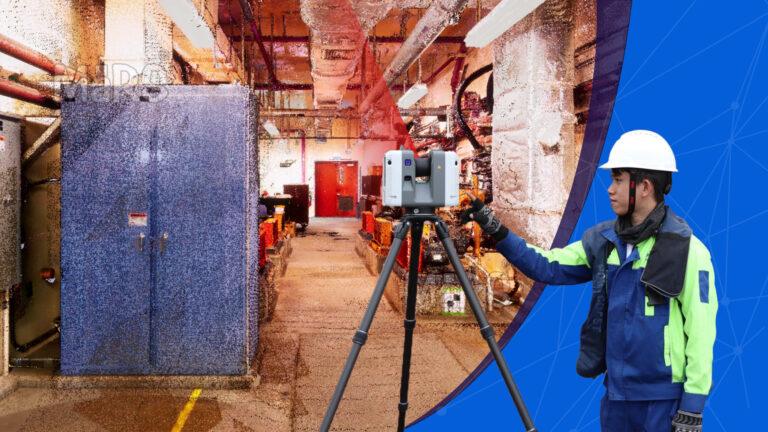

The construction and facility management industries are undergoing a massive digital transformation. Traditional facility management systems, once heavily reliant on paper-based documentation and manual processes, are now being replaced with intelligent digital technologies. Two of the most impactful innovations in this field are Scan to BIM and Digital Twins.
When integrated, these technologies create a powerful ecosystem for efficient facility management, real-time monitoring, predictive maintenance, and improved lifecycle management. By capturing accurate as-built data through Scan to BIM and linking it with the dynamic, data-driven capabilities of Digital Twins, facility managers can make better-informed decisions, reduce costs, and optimize building performance.
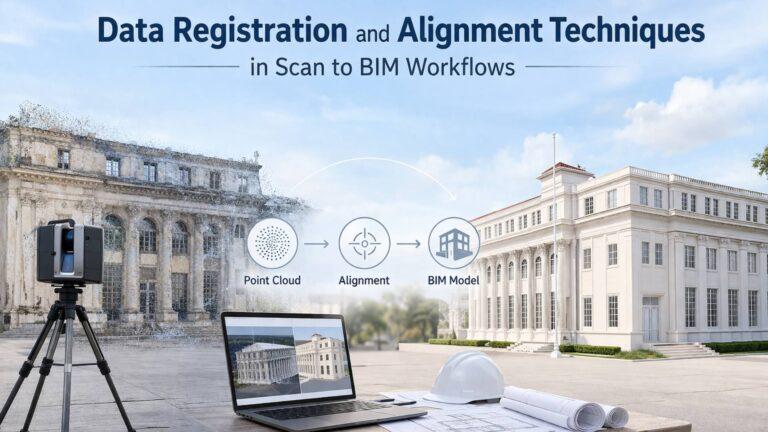
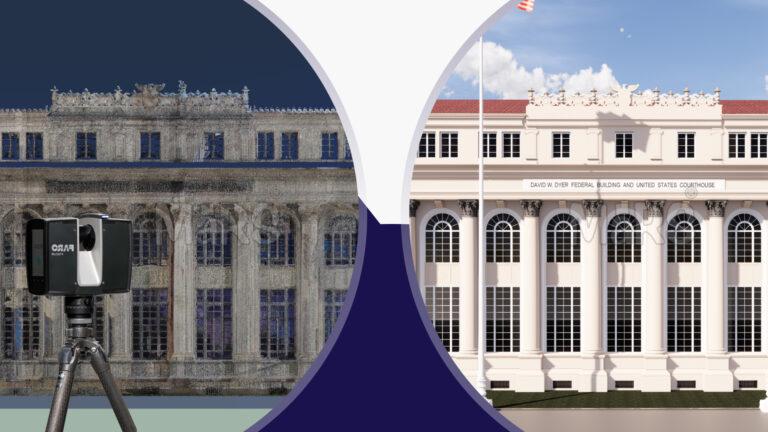
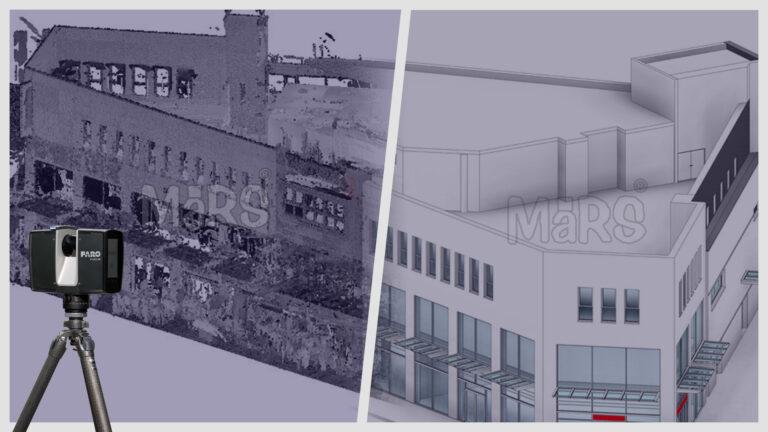
Scan to BIM is the process of converting laser scan data, usually obtained through LiDAR or photogrammetry, into a detailed and intelligent 3D BIM model. These models accurately represent the as-built conditions of a building, capturing every wall, beam, pipe, and mechanical element with precision.
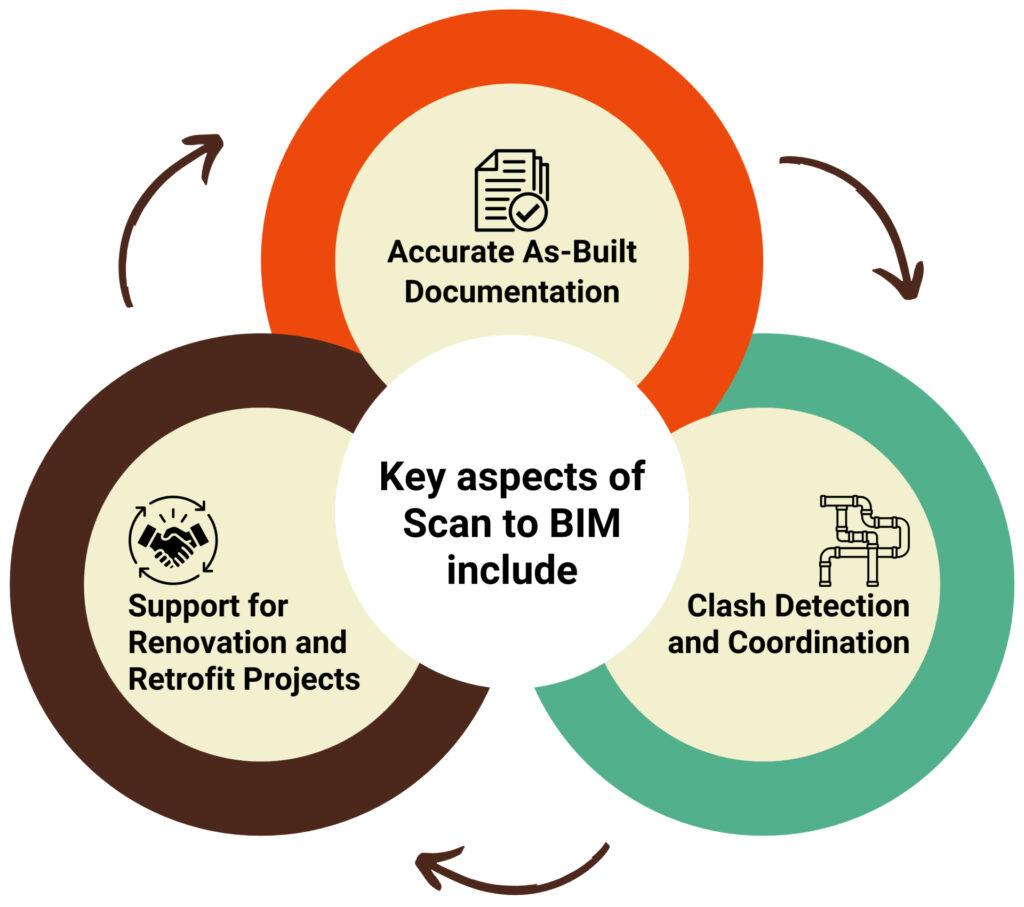
Key aspects of Scan to BIM include:
-
Accurate As-Built Documentation: By scanning an existing facility, teams can create a precise digital replica of current conditions.
-
Support for Renovation and Retrofit Projects: Scan to BIM provides the foundation for remodeling and expansion projects by eliminating guesswork.
-
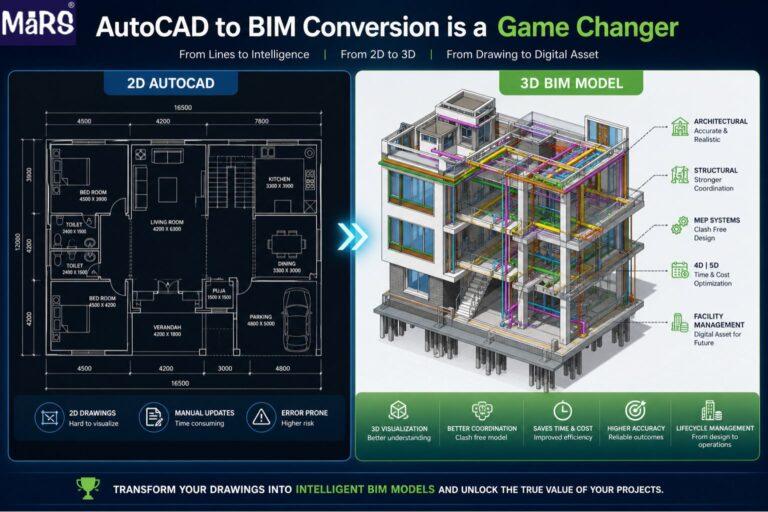
Clash Detection and Coordination: Accurate models reduce conflicts between architectural, structural, and MEP systems during upgrades.
Digital Twins in Facility Management
A Digital Twin is a virtual replica of a physical asset, system, or entire building. Unlike static 3D models, Digital Twins are dynamic, connected, and data-driven. They integrate information from IoT sensors, building management systems (BMS), and real-time analytics to provide continuous insights into facility performance.
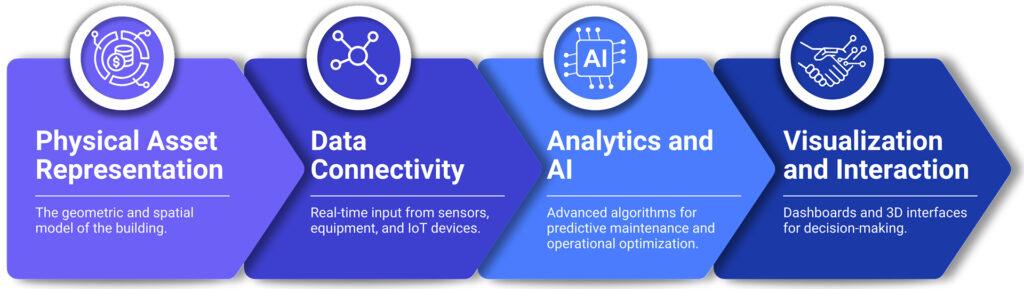
Core components of Digital Twins include:
-
Physical Asset Representation – The geometric and spatial model of the building.
-
Data Connectivity – Real-time input from sensors, equipment, and IoT devices.
-
Analytics and AI – Advanced algorithms for predictive maintenance and operational optimization.
-
Visualization and Interaction – Dashboards and 3D interfaces for decision-making.
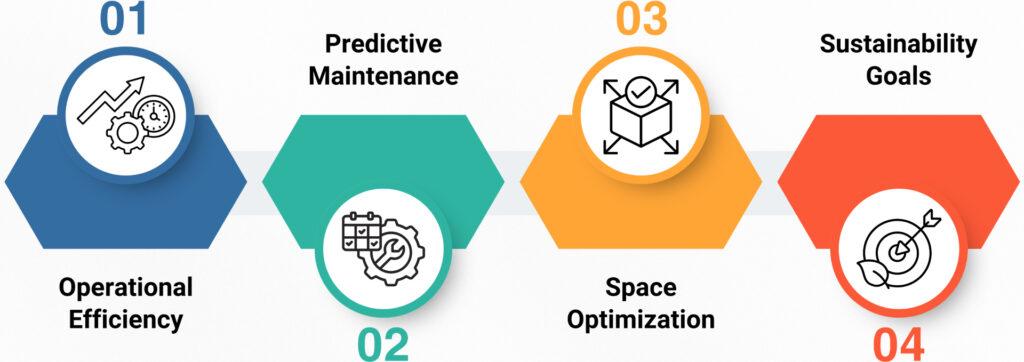
For facility management, Digital Twins unlock significant benefits:
-
Operational Efficiency: Monitor building systems such as HVAC, lighting, and water usage in real time.
-
Predictive Maintenance: Detect issues before they cause failures, reducing downtime.
-
Space Optimization: Track occupancy trends and optimize space usage.
-
Sustainability Goals: Reduce energy consumption and carbon footprint.
The Integration of Scan to BIM with Digital Twins
While Scan to BIM provides the static as-built foundation, Digital Twins add a dynamic layer of intelligence. The integration creates a seamless flow of data from design and construction to operations and maintenance.
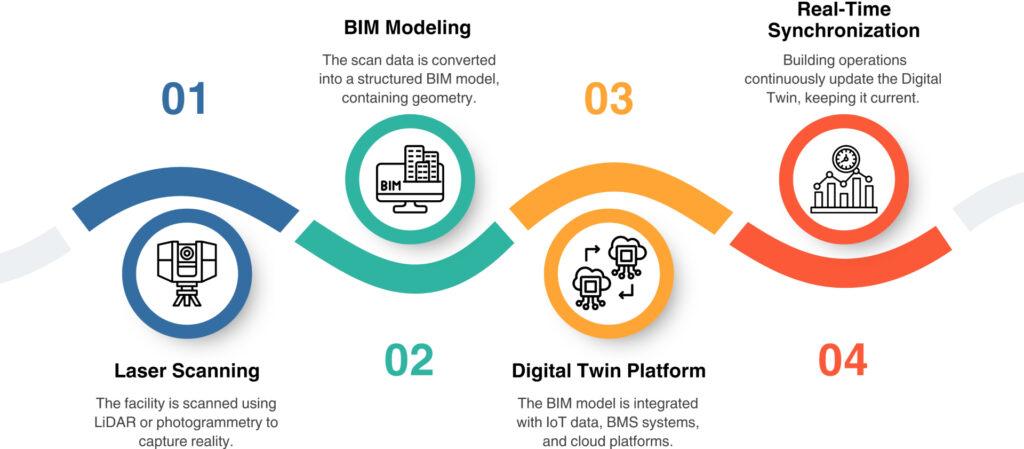
Workflow of Integration:
-
Laser Scanning – The facility is scanned using LiDAR or photogrammetry to capture reality.
-
BIM Modeling – The scan data is converted into a structured BIM model, containing geometry.
-
Digital Twin Platform – The BIM model is integrated with IoT data, BMS systems, and cloud platforms.
-
Real-Time Synchronization – Building operations continuously update the Digital Twin, keeping it current.
This workflow bridges the gap between construction documentation and live operational intelligence, ensuring facility managers always work with accurate and up-to-date digital representations.
Benefits of Integration for Facility Management
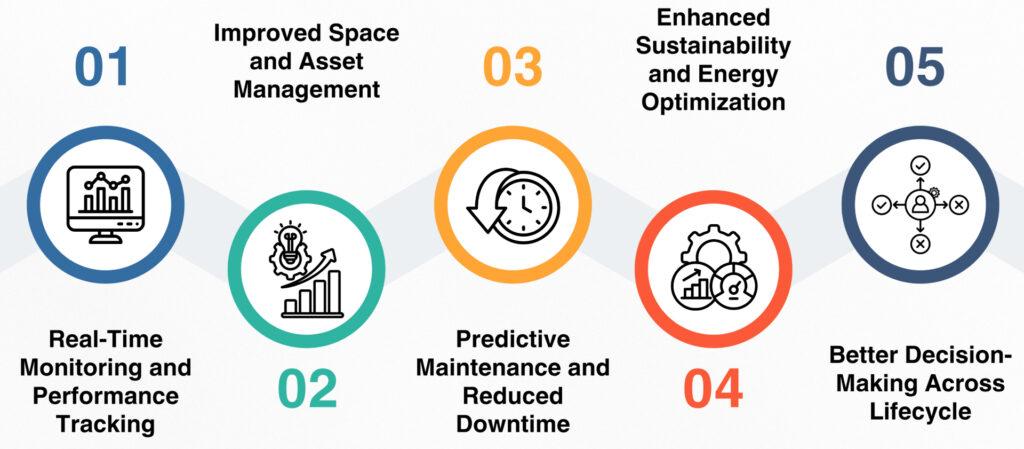
The combined power of Scan to BIM and Digital Twins transforms facility management from reactive to proactive and predictive.
1. Real-Time Monitoring and Performance Tracking
Facility managers gain live insights into building systems such as HVAC, electrical networks, fire safety, and security. Problems can be detected instantly and resolved before they escalate.
2. Improved Space and Asset Management
By linking asset information with real-time usage data, organizations can optimize space utilization, manage inventory, and track equipment lifecycles effectively.
3. Predictive Maintenance and Reduced Downtime
Digital Twins powered by AI predict potential equipment failures. Scan to BIM ensures these assets are correctly documented and located, streamlining repair work.
4. Enhanced Sustainability and Energy Optimization
Energy consumption can be tracked against baseline models created via Scan to BIM. Facility managers can monitor energy efficiency, identify waste, and implement green strategies.
5. Better Decision-Making Across Lifecycle
From construction handover to decades of operation, managers can rely on an accurate, evolving digital ecosystem. This reduces long-term costs and extends building lifespan.
Applications in Facility Management
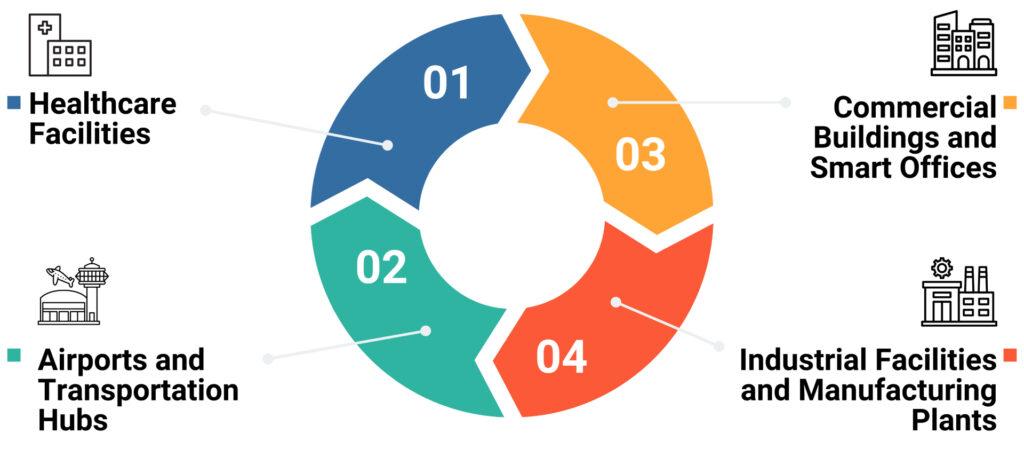
The integration is already finding strong use cases across multiple sectors:
Healthcare Facilities
Hospitals have complex MEP systems that require precise monitoring. Digital Twins connected with Scan to BIM models enable predictive maintenance of critical systems like HVAC and medical gas pipelines.
Airports and Transportation Hubs
Airports operate 24/7 with heavy footfall and high energy demand. Integrated Digital Twins streamline operations, enhance passenger experience, and optimize maintenance schedules.
Commercial Buildings and Smart Offices
Corporate facilities benefit from space management, smart lighting, and energy optimization, creating efficient and sustainable workplaces.
Industrial Facilities and Manufacturing Plants
Factories and plants rely on uptime. By combining accurate as-built BIM models with real-time machine monitoring, Digital Twins reduce downtime and increase productivity.
Challenges in Integration
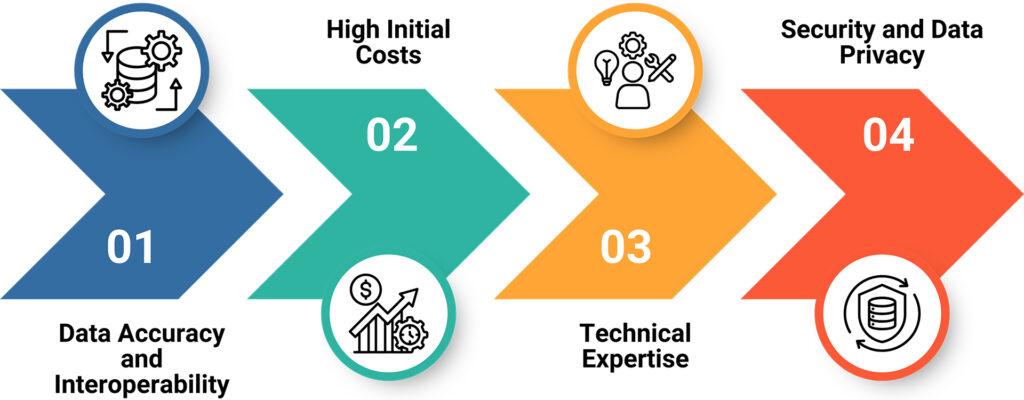
Despite the benefits, adoption is not without hurdles.
-
Data Accuracy and Interoperability
Different software platforms may not integrate smoothly. Ensuring consistent, high-quality data is a major challenge. -
High Initial Costs
Investments in laser scanning, IoT sensors, and Digital Twin platforms can be significant, though they yield long-term ROI. -
Technical Expertise
Skilled professionals are required to handle BIM modeling, data integration, and IoT connectivity. -
Security and Data Privacy
Since Digital Twins rely on constant data streams, protecting sensitive information from cyber threats is essential.
Future Trends
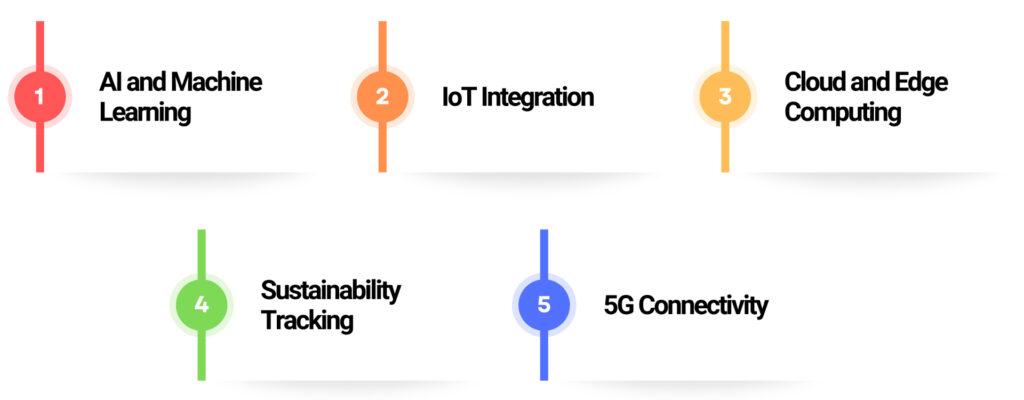
The integration of Scan to BIM and Digital Twins is still evolving, and the future looks promising:
-
AI and Machine Learning will enhance predictive analytics, making facility management smarter and more automated.
-
IoT Integration will expand, with sensors monitoring everything from air quality to occupancy levels.
-
Cloud and Edge Computing will make Digital Twins scalable and more accessible across devices.
-
Sustainability Tracking will become a core function, with Digital Twins playing a role in carbon-neutral building operations.
-
5G Connectivity will improve real-time data transfer, making Digital Twins more responsive.
Conclusion
Integrating Scan to BIM with Digital Twins represents a paradigm shift in facility management. By leveraging accurate as-built models and coupling them with real-time, data-driven insights, facility managers can transition from reactive problem-solving to proactive, predictive, and optimized operations.
Whether in healthcare, airports, commercial offices, or industrial plants, this integration is driving efficiency, sustainability, and long-term value. While challenges like cost and technical expertise remain, the future of facility management is undoubtedly digital, and the combination of Scan to BIM with Digital Twins is at the heart of this transformation.