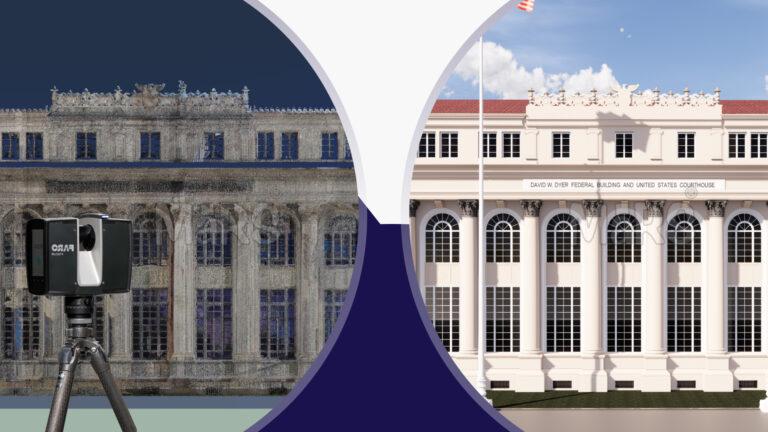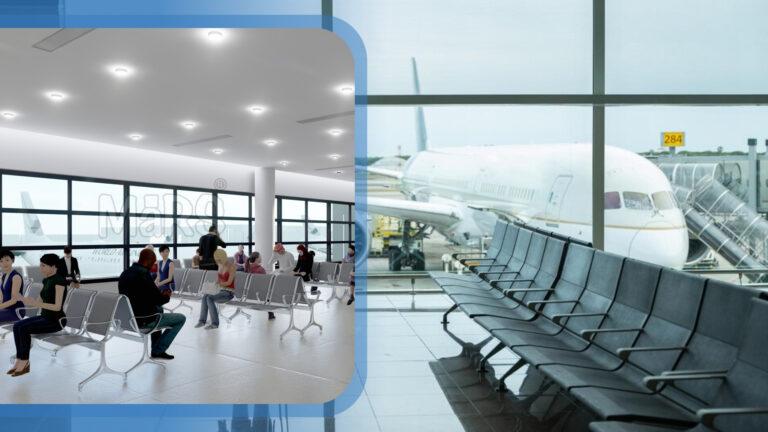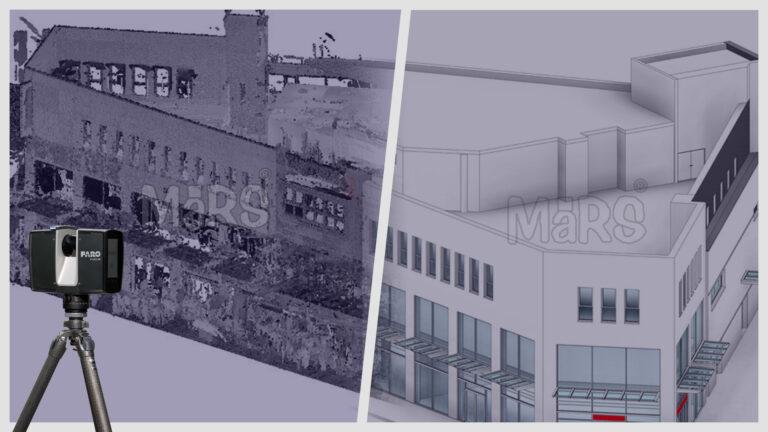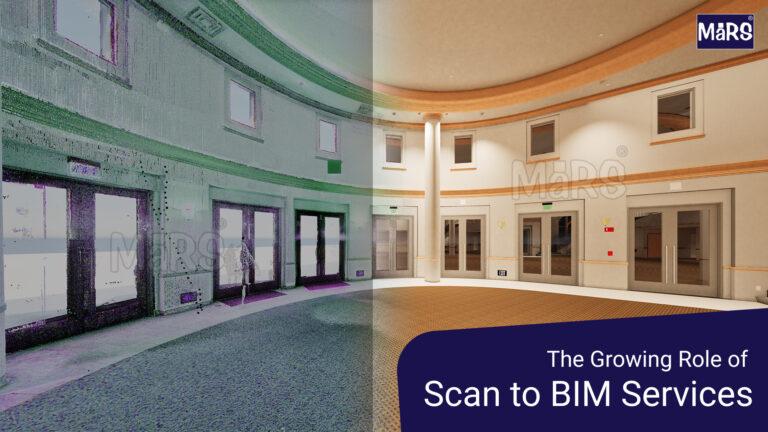

The construction industry has been transformed by the integration of technology, and one of the most significant advancements in recent years has been Scan to BIM Services. Through this process, accurate digital models are created from existing structures using laser scanning technology. The approach allows architects, engineers, and contractors to work with precise data instead of relying on outdated or incomplete drawings.
In modern construction and renovation projects, this technology is being used widely to bridge the gap between the physical and digital environments. Complex structures are being captured with millimeter accuracy, and intelligent BIM models are being generated to streamline future planning, design, and facility management.
How Scan to BIM Works
A building or site is first scanned using 3D laser scanners that emit millions of laser points every second. These points bounce back from surfaces and are recorded as spatial coordinates, forming a detailed dataset known as a point cloud.
The point cloud represents every visible surface—walls, ceilings, floors, ducts, beams, pipes, and even furniture. Once the scan is completed, the raw data is imported into BIM software such as Autodesk Revit or ArchiCAD. From there, modelers convert the cloud data into intelligent 3D BIM elements like walls, columns, beams, and MEP components.
Every object in this model carries geometric as well as non-geometric information. Material specifications, dimensions, and spatial relationships are all embedded, allowing better coordination during renovation or facility management.
Technical Process Involved in Scan to BIM
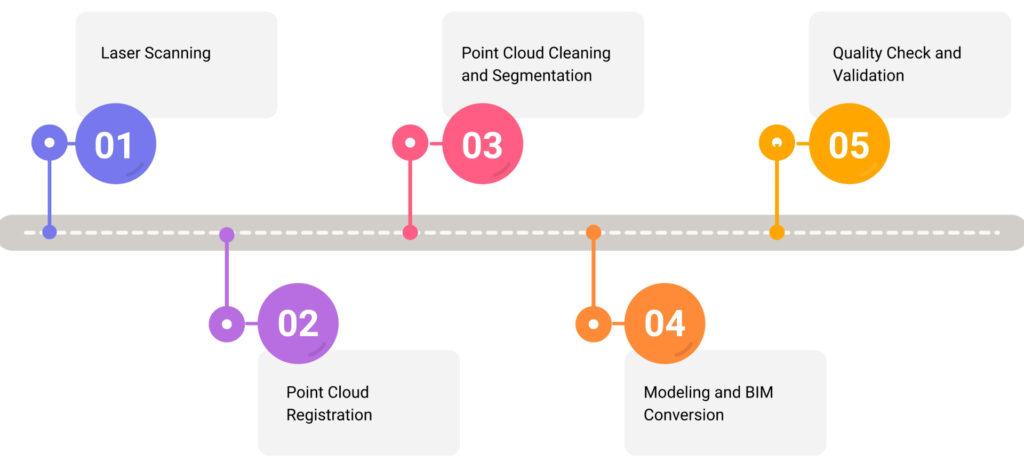
The creation of a Scan to BIM model requires multiple technical stages to ensure accuracy and efficiency.
- Laser Scanning
- High-resolution terrestrial laser scanners such as Leica, Faro, or Trimble are used.
- Each scan captures millions of 3D coordinates within seconds.
- Multiple scan stations are set up to cover the entire site from different angles.
- Point Cloud Registration
- The scans collected from various stations are aligned or “registered” together.
- Advanced algorithms and reference points are used to merge the datasets into a unified 3D point cloud.
- Noise and unwanted data are filtered out to maintain clarity.
- Point Cloud Cleaning and Segmentation
- The raw data often includes unwanted details such as people, vehicles, or vegetation.
- Specialized software like Autodesk Recap or CloudCompare is used for data refinement.
- Modeling and BIM Conversion
- The cleaned point cloud is imported into BIM software.
- Structural, architectural, and MEP elements are traced and converted into intelligent BIM components.
- Each component is modeled based on the required Level of Detail, which may range from LOD 200 to LOD 500 depending on project needs.
- Quality Check and Validation
- The generated BIM model is compared against the original point cloud for accuracy.
- Clash detection tools are applied to identify inconsistencies before final delivery.
Key Applications of Scan to BIM
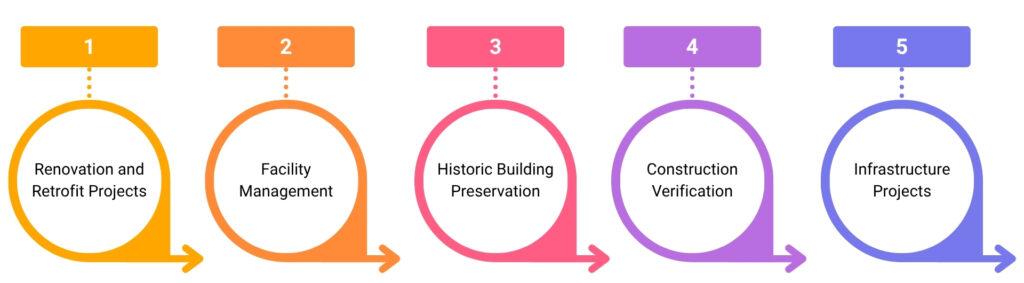
The applications of this technology extend beyond just 3D modeling. It plays a crucial role in various stages of the construction lifecycle.
- Renovation and Retrofit Projects
Existing structures often lack updated drawings. Scan to BIM provides reliable documentation for designing renovations and extensions without physical disruption. - Facility Management
The as-built BIM model becomes a reference for maintenance, asset tracking, and future upgrades. Equipment data and location details are integrated for better operational control. - Historic Building Preservation
Old and fragile buildings are documented through scanning to create digital replicas that preserve their heritage details with high accuracy. - Construction Verification
Scanning is performed at multiple construction stages to verify that site execution matches design intent. - Infrastructure Projects
Bridges, tunnels, and transportation hubs are scanned to assess deformation, clearance, and maintenance requirements.
Advantages of Using Scan to BIM
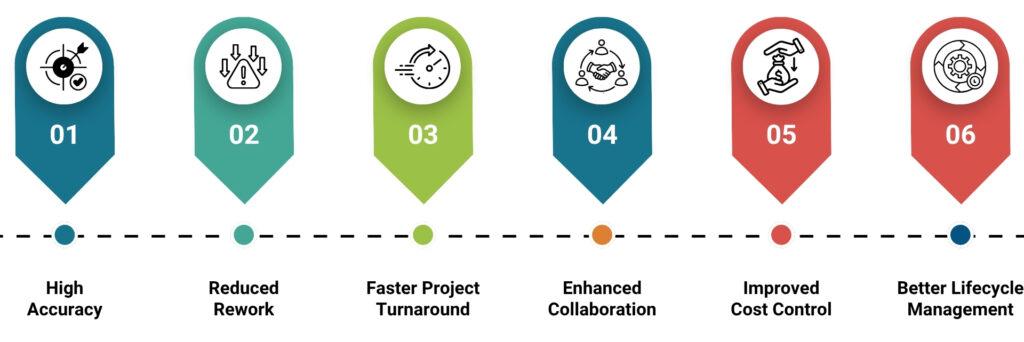
A number of advantages are achieved when laser scanning and BIM are combined in a single workflow.
- High Accuracy
Precise measurements are obtained even from complex geometries or hard-to-reach areas. - Reduced Rework
Since accurate models are available, design conflicts are minimized before construction begins. - Faster Project Turnaround
Automated data capture speeds up documentation compared to manual measurement techniques. - Enhanced Collaboration
The digital model acts as a single source of truth for architects, engineers, and contractors, enabling smooth coordination. - Improved Cost Control
Early identification of design discrepancies helps avoid costly on-site modifications. - Better Lifecycle Management
The as-built BIM model continues to serve throughout the building’s life, aiding future renovations or maintenance activities.
Importance of Level of Detail in Scan to BIM
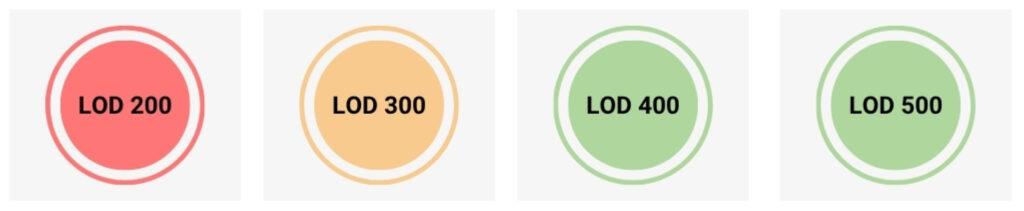
The Level of Detail determines the precision and information richness of the model. Different project requirements demand different levels:
- LOD 200: Generalized model with approximate geometry, suitable for feasibility studies.
- LOD 300: Accurate geometry used for design coordination.
- LOD 400: Detailed model used for fabrication and construction.
- LOD 500: As-built model reflecting the final physical condition.
The LOD must be defined before modeling begins to ensure that time and resources are used efficiently.
Common Challenges in Scan to BIM Projects
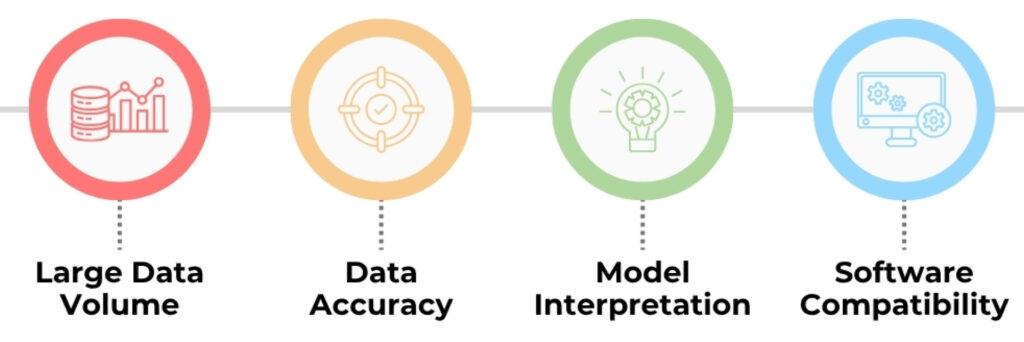
While the process offers many benefits, several challenges must be handled with care.
- Large Data Volume: Point clouds can be extremely heavy, sometimes exceeding hundreds of gigabytes. Efficient hardware and storage systems are essential.
- Data Accuracy: Poor scanning angles or insufficient overlap between scans may cause data gaps.
- Model Interpretation: Translating point cloud data into accurate BIM elements requires skill and experience.
- Software Compatibility: Proper software and plugin compatibility are needed for smooth workflow and data transfer.
These challenges can be mitigated through planning, skilled professionals, and proper technology integration.
Future Trends in Scan to BIM
The future of Scan to BIM is being shaped by automation, AI, and cloud-based collaboration. Automated recognition algorithms are already being developed to identify building components directly from point clouds, reducing manual modeling time.
Integration with Digital Twin technology is also expanding. With this integration, live operational data such as temperature, energy usage, and occupancy are being linked to the BIM model to create dynamic digital replicas of buildings.
Moreover, mobile scanning and drone-based LiDAR systems are making data collection faster and more accessible even for large-scale infrastructure.
Why Scan to BIM is Becoming Essential
The demand for precise project documentation has grown across the architecture, engineering, and construction industries. Traditional as-built drawings are being replaced by intelligent BIM models created from laser scans. The level of detail and accuracy achieved through this process ensures that every design decision is based on real-world data.
The method supports cost-effective renovation, helps avoid project delays, and minimizes construction risk. From design coordination to long-term facility management, Scan to BIM delivers reliability and transparency at every stage.
Further advantages can be explored through related technologies such as Integrating Scan to BIM with Digital Twins for Facility Management, where the combination of digital twin systems with BIM enhances real-time monitoring, predictive maintenance, and data-driven operations.
As more organizations move toward digital construction workflows, this process is being recognized not as an optional service but as an essential part of modern building management.
Conclusion
The transformation of physical structures into intelligent digital models through Scan to BIM has reshaped how construction professionals approach documentation and design. By merging laser scanning precision with BIM intelligence, real-world buildings are being brought into the digital environment with unmatched accuracy.
Through this technology, existing buildings are not only documented but also prepared for smarter, data-driven decision-making in the future. Every stage of a building’s lifecycle benefits from the insight provided by Scan to BIM — making it one of the most valuable innovations in today’s built environment.