
Construction projects today face constant pressure to stay on schedule and ensure smooth coordination between multiple teams. One of the key challenges is identifying and resolving design issues early, especially when it comes to MEP systems. These systems require significant space and often overlap with structural and architectural elements, making coordination difficult in complex buildings like hospitals, airports, data centers, and industrial facilities.
Clash detection, when combined with MEP BIM Services, serves as a transformative strategy. It allows teams to digitally coordinate, detect, and resolve system clashes long before construction begins. This digital-first approach not only streamlines project workflows but also minimizes costly site errors, rework, and delays.
MEP BIM services are no longer confined to visualizing HVAC ducts or electrical conduits. They serve as the backbone of model-driven construction, supporting informed decisions through accurate, data-rich environments. With tools like Autodesk Revit, Navisworks Manage, and cloud platforms like BIM 360, MEP coordination has moved from reactive issue management to proactive clash prevention.
How MEP BIM Services Align with Clash Detection Strategies
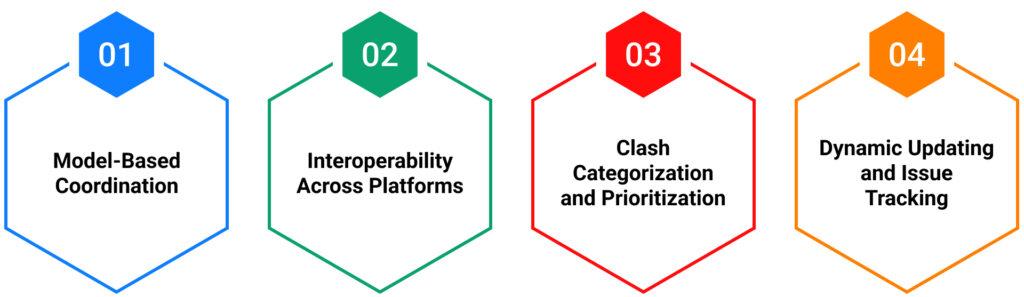
MEP BIM services provide a unified modeling ecosystem where all systems are developed in 3D, coordinated across trades, and tested for spatial integrity. Clash detection becomes an integrated feature—not a separate phase—of the modeling process. Here’s how this alignment works:
- Model-Based Coordination
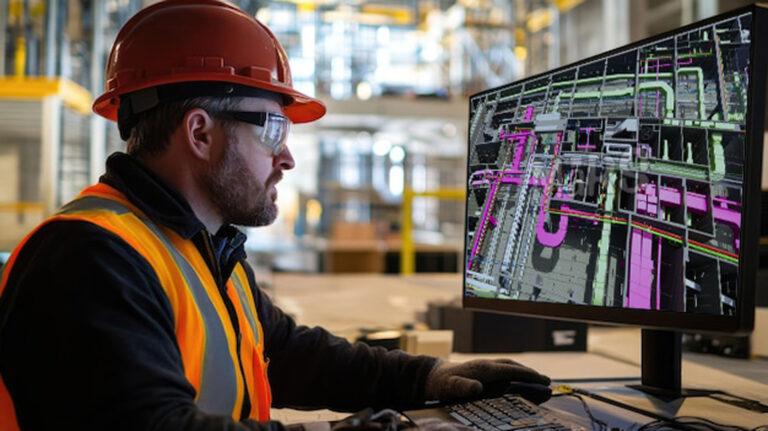
3D MEP models act as a visual and data-driven coordination tool. Instead of waiting for shop drawings or field clashes, teams can identify discrepancies early through federated model environments. - Interoperability Across Platforms
Revit, AutoCAD MEP, Navisworks, and other tools provide interoperability features to seamlessly integrate and analyze architectural, structural, and MEP models in a single space. - Clash Categorization and Prioritization
Clashes are classified based on severity (e.g., hard clash, soft clash, workflow clash), enabling teams to prioritize what needs resolution immediately versus what can be deferred. - Dynamic Updating and Issue Tracking
Real-time updates and issue tracking through platforms like BIM 360 ensure that every team member is on the same page, and each detected clash is assigned, monitored, and resolved before site execution.
First Three Core Focus Areas in Implementation
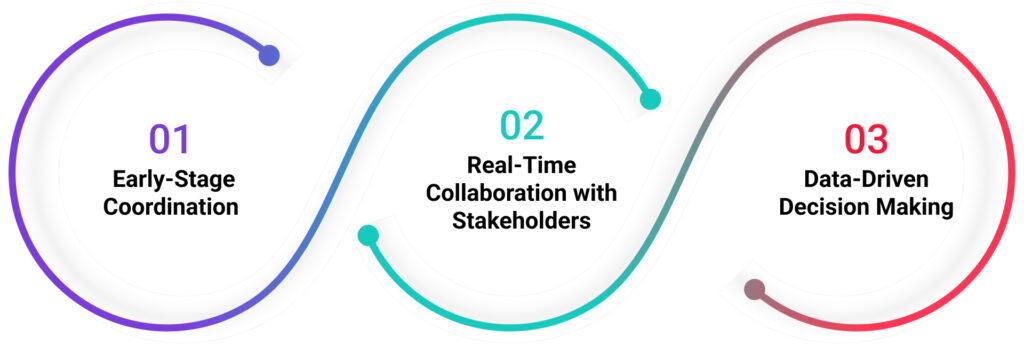
1. Early-Stage Coordination
One of the greatest benefits of MEP BIM services lies in their application during the design development and pre-construction phases. Early coordination prevents spatial conflicts that would otherwise emerge during field installation. By simulating MEP system layouts in a virtual environment, contractors and consultants can visualize and validate constructability well before materials are ordered or crews are mobilized.
2. Real-Time Collaboration with Stakeholders
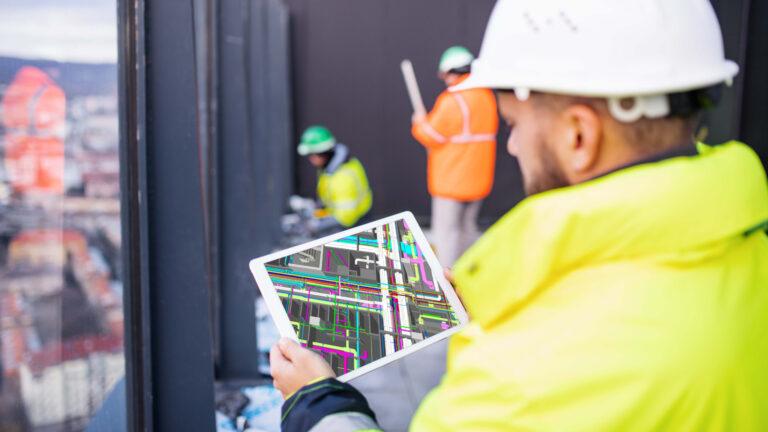
Construction projects today involve multiple stakeholders—owners, architects, engineers, MEP subcontractors, fabricators, and facility managers. Cloud-based BIM services empower stakeholders to collaborate in real-time regardless of location. As clashes are detected, stakeholders receive alerts, review model sections, and make coordinated decisions, resulting in a faster, more agile workflow.
3. Data-Driven Decision Making
Beyond spatial planning, MEP BIM services provide access to rich metadata. Clash reports, issue logs, system parameters, and element-specific data enable informed decision-making. When paired with analysis tools, these insights support energy performance studies, cost forecasting, and material optimization.
Strategic Benefits That Matter to Project Success
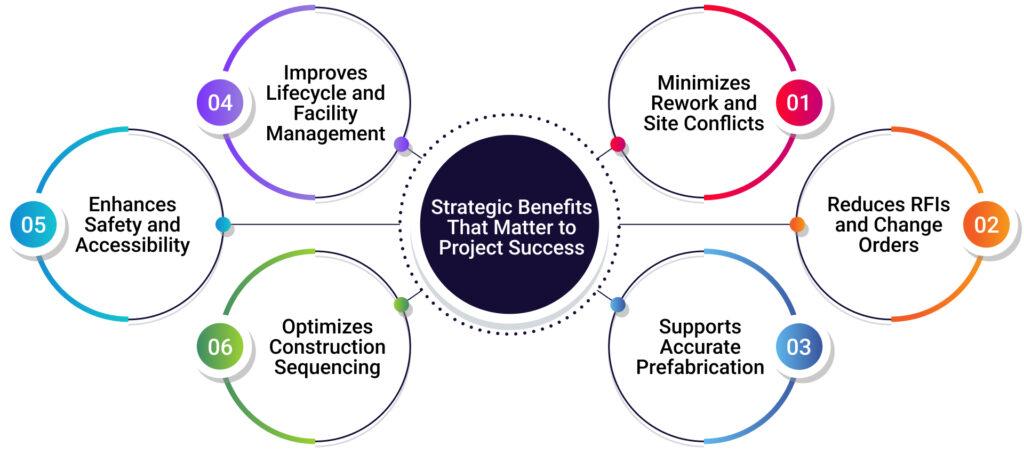
The following impact points outline how MEP clash detection supported by BIM services improves project outcomes:
- Minimizes Rework and Site Conflicts
Resolving clashes in the model prevents costly rework caused by on-site system interferences. - Reduces RFIs and Change Orders
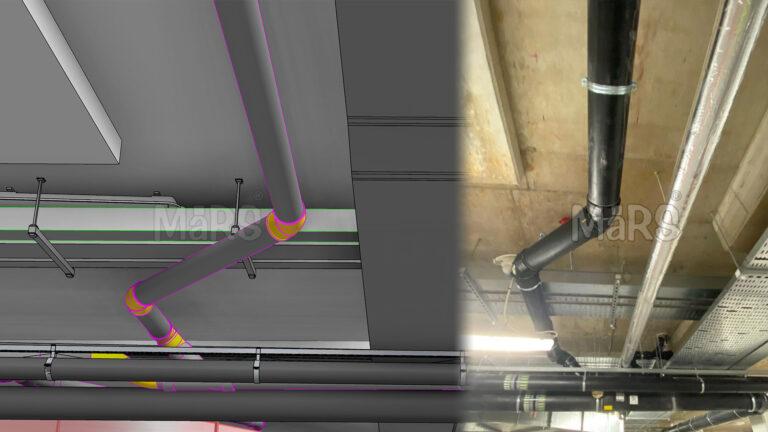
Well-coordinated MEP models lead to fewer Requests for Information (RFIs), accelerating construction approvals and minimizing change orders. - Supports Accurate Prefabrication
The prefabrication of MEP systems depends on dimensionally accurate models. BIM ensures precision, enabling off-site manufacturing and just-in-time delivery. - Optimizes Construction Sequencing
Clash-free models help teams plan installation sequences more effectively, reducing congestion and downtime on site. - Enhances Safety and Accessibility
Properly coordinated systems ensure that access panels, maintenance zones, and safety clearances are respected. - Improves Lifecycle and Facility Management
Accurate MEP models serve as a digital twin for operations, helping facility teams manage maintenance, repairs, and retrofits more efficiently.
Workflow Suggestion: Clash Detection in MEP BIM
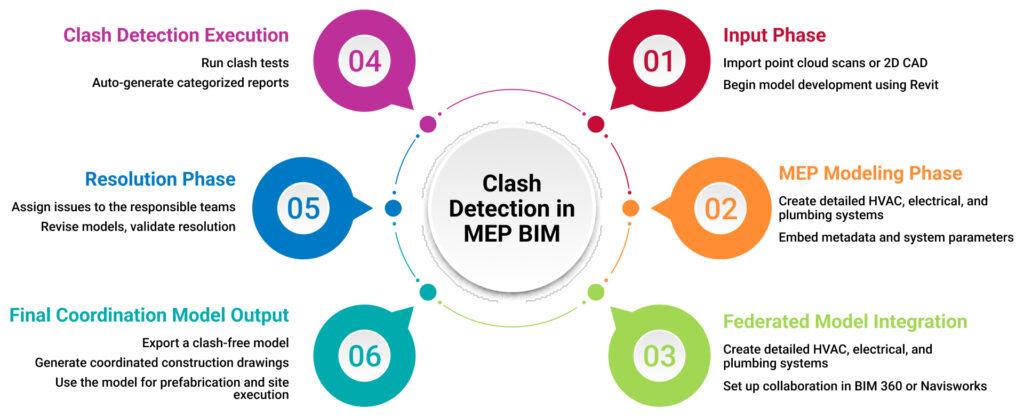
Input Phase
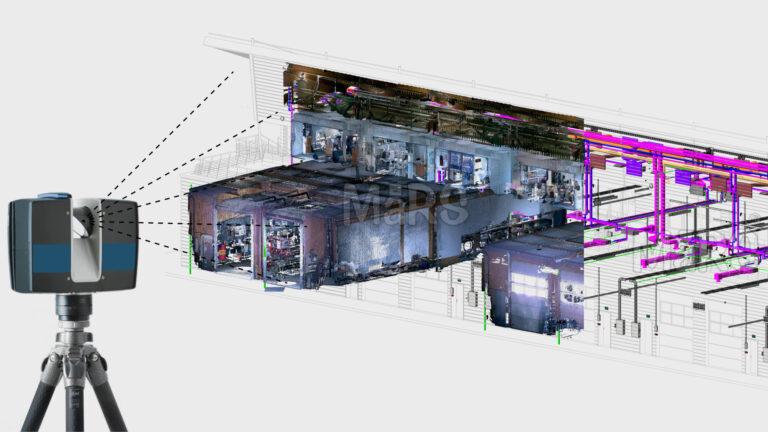
- Import point cloud scans or 2D CAD
- Begin model development using Revit
MEP Modeling Phase
- Create detailed HVAC, electrical, and plumbing systems
- Embed metadata and system parameters
Federated Model Integration
- Combine architectural, structural, and MEP models
- Set up collaboration in BIM 360 or Navisworks
Clash Detection Execution
- Run clash tests
- Auto-generate categorized reports
Resolution Phase
- Assign issues to the responsible teams
- Revise models, validate resolution
Final Coordination Model Output
- Export a clash-free model
- Generate coordinated construction drawings
- Use the model for prefabrication and site execution
Industry Applications Where MEP Clash Detection is Crucial

Some of the most common sectors where MEP clash detection via BIM is vital include:
- Healthcare Facilities
Hospitals have dense MEP layouts with critical systems requiring clearances, redundancy, and reliability. Clash-free models ensure patient safety and regulatory compliance. - Airports and Transportation Hubs
These facilities demand uninterrupted service, complex routing, and heavy infrastructure loads. BIM-enabled clash detection allows for precise coordination during phased construction. - Data Centers
The integration of cooling systems, electrical panels, and fire suppression lines requires a zero-error tolerance approach, achieved through accurate MEP BIM modeling. - High-Rise Residential and Commercial Buildings
Coordinated models ensure vertical shafts, mechanical floors, and tight ceiling spaces are managed effectively without compromising design intent. - Industrial Plants
In manufacturing units and cleanrooms, every system must work in harmony within strict tolerances. Clash detection enables uninterrupted production during and post-construction.
Conclusion
The integration of clash detection within MEP BIM services has redefined how complex building systems are designed, coordinated, and executed. As construction projects grow in scale and intricacy, the need for proactive issue identification becomes paramount. BIM-enabled clash detection empowers stakeholders to detect and resolve design conflicts long before they escalate into field problems.
From early coordination to data-driven decisions, MEP BIM services support a clash-free, cost-effective, and constructible path forward. These services not only safeguard timelines and budgets but also contribute to the long-term performance and manageability of the built environment.